BODY V5 by Loadstar
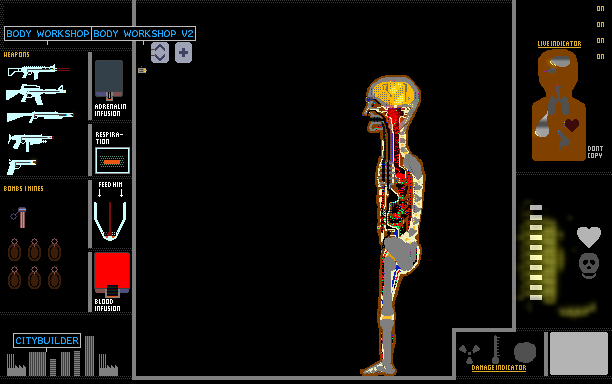

He only digests stone, bcol, sand and pqrt :), GIVE CREDIT! Type tpt.setfpscap(2) in the console for less lag.
human
biology
blood
body
realistic
life
real
loadstar
electronic
spark
Comments
-
TheCreatorOfTheTree 2nd Jan 2019
 poor bob got fed some powdered vibranium and exot, he had a badd time
 -
tcd128 2nd Jan 2019
 Nutritious food for BODY v5 I made: ID:2369951
 -
tcd128 2nd Jan 2019I started dropping bombs on its head (with jacob1's mini bomb dropper) and after a little bit (it was pretty rekt) it started pooing it's internals out...
-
tcd128 1st Jan 2019XGEM_Gaming: except it actually says 17 April 2017...
-
tcd128 1st Jan 2019XGEM_Gaming: Yeah,that's what I meant. It also said "Date updated: April 2017" .
-
XGEM_Gaming 31st Dec 2018
 thecooldog12345678: Is :/\} that it for he april fools prank?
 -
tcd128 31st Dec 2018I think I just saw the April fools 2017 prank on this save by looking at the history of this...
-
ymahe69 31st Dec 2018
 u can take it near-death experience, put a small BHOL at left and wait, he die and if you remove BHOL he ressurect
 -
MegaGengarRayquaza38 31st Dec 2018
 Hes tough id:2369225
 -
tcd128 30th Dec 2018OmgItzSMASHABLE: (I didn't make this) ID:2102077